Exploring the Connection Between Lubricants and Steel Quality
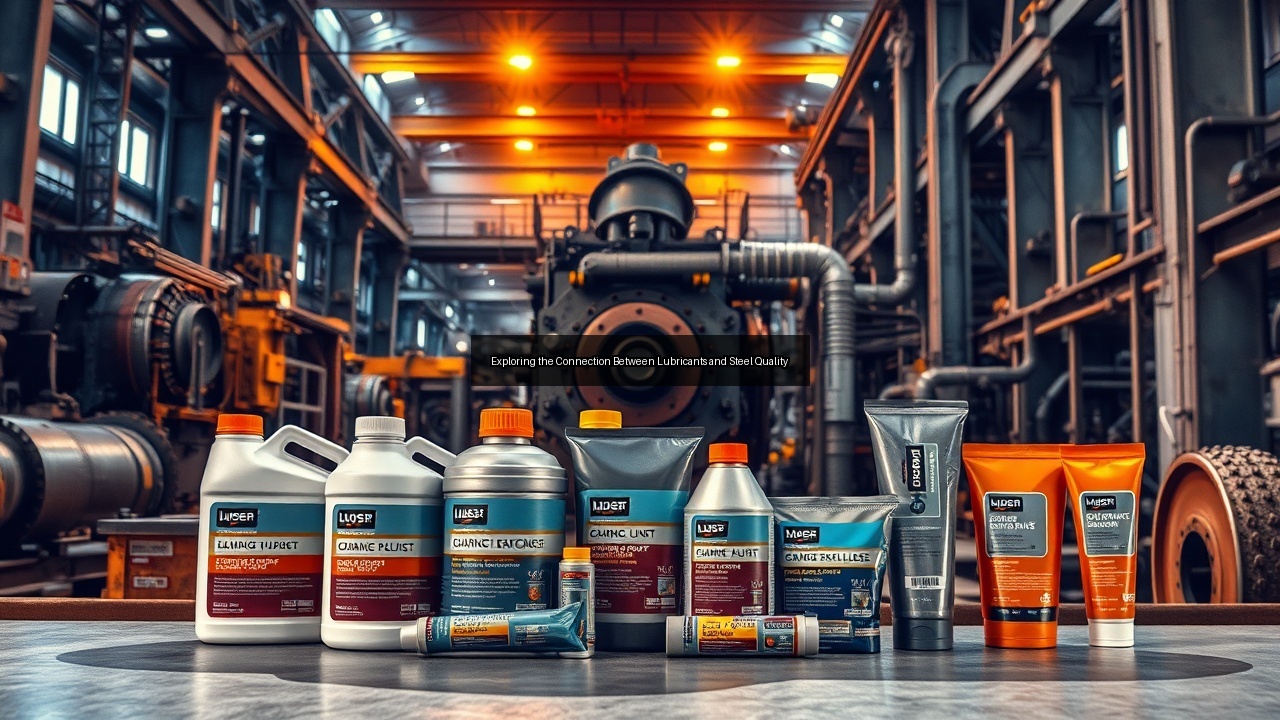
The Role of Lubricants in Steel Mill Operations
Understanding Steel Mill Lubrication
Lubrication plays a vital role in the efficient operation of steel mills. Steel production involves high levels of friction and heat, particularly during processes such as rolling and casting. Proper lubrication minimizes wear and tear on machinery, thereby enhancing the longevity of equipment used in steelworks. Steel mill lubricants reduce friction between moving parts, ensuring smoother operation and preventing overheating. This not only helps maintain optimal performance but also safeguards against costly downtime due to equipment failure. Understanding the specifics of steel mill lubrication allows operators to select the right products for their unique operational needs, ensuring maximum efficiency and productivity.
Types of Lubricants Used in Steel Production
The steel industry employs various types of lubricants, each tailored to specific applications within steel mills. Common options include oils, greases, and metalworking fluids. Oils typically serve as all-purpose lubricants, ideal for high-speed applications such as bearing lubrication and gear lube. They often contain additives that enhance performance under extreme pressure and temperature conditions. On the other hand, lubricating greases are thicker and are used in applications requiring longer-lasting protection, such as in rolling mills and heavy machinery. Metalworking fluids, which encompass cutting oils and emulsions, provide cooling and lubrication during machining processes, contributing to a smoother finish on steel products. Each type of lubricant plays a specific role in the overall efficiency and quality of steel production.
Importance of Metalworking Fluids in Steel Manufacturing
Metalworking fluids (MWFs) are crucial in the steel manufacturing process. These specialized lubricants not only reduce friction but also provide cooling during high-temperature processes such as hot rolling and continuous casting. The right MWF can significantly impact the surface finish and dimensional accuracy of steel products. Proper cooling prevents thermal distortion, allowing for tighter tolerances and improved product quality. Additionally, MWFs help remove chips and debris from the cutting area, further enhancing the manufacturing process's efficiency. Their importance cannot be overstated, as they directly influence both the quality of the end product and the operational costs associated with steel production.
Impact of Lubricants on Steel Quality
Enhancing Steel Production Efficiency
Lubricants significantly enhance steel production efficiency by reducing friction and wear on machinery. In high-demand environments like steel mills, the efficiency of processes such as hot rolling and continuous casting is crucial. When lubricants are used effectively, they can lead to improved throughput, allowing steel plants to produce more steel in less time. This efficiency not only contributes to lower operational costs but also maximizes the output of mini mills and larger steelworks. Moreover, the selection of high-quality steel mill lubricants directly correlates with reduced maintenance needs and fewer equipment failures, which further boosts productivity and operational effectiveness.
Effects on Surface Finish in Continuous Casting
The continuous casting process is sensitive to the quality of lubricants used. A well-chosen lubricant improves the surface finish of steel products, which is essential for meeting industry standards. Inadequate lubrication can lead to surface defects, such as cracks or inclusions, that compromise the integrity of the steel. Quality lubricants help create a film that reduces contact between the molten steel and the casting surfaces, minimizing oxidation and contamination. This not only enhances the aesthetic quality of the finished product but also ensures that the steel meets the stringent requirements of various applications, from construction to manufacturing.
Influence on Hot Rolling Processes
During hot rolling processes, lubricants play a critical role in maintaining product quality and equipment integrity. High temperatures and pressures can cause significant wear on rolling mill components. Effective lubrication reduces friction, allowing for smoother movement of the steel through the rollers, which ultimately leads to a more uniform thickness and improved mechanical properties. Additionally, the right lubricating grease can withstand the extreme conditions typical of hot rolling, ensuring consistent performance. By optimizing the lubrication strategy, steel mills can enhance both the quality of the steel produced and the lifespan of their equipment, resulting in a more sustainable operation.
Choosing the Right Lubricants for Steel Mills
Criteria for Selecting Steel Mill Lubricants
Selecting the appropriate lubricants for steel mills requires careful consideration of several factors. First, one must assess the specific application, whether it’s for rolling mills, continuous casting, or bearing lubrication. Each application demands different properties from lubricants, such as viscosity, temperature stability, and load-carrying capacity. Secondly, environmental conditions within the steel plant, including temperature fluctuations and exposure to water or contaminants, influence lubricant performance. Lastly, cost is a significant factor; while high-quality lubricants may have a higher upfront cost, their long-term benefits in terms of reduced downtime and maintenance can lead to overall savings. Understanding these criteria ensures that the selected lubricants enhance both performance and cost-effectiveness in steel production.
Comparative Analysis of Oils and Greases
When selecting lubricants for steel mills, a comparative analysis of oils and greases reveals distinct advantages and applications for each. Oils generally offer superior cooling properties, making them ideal for high-speed applications where heat generation is a concern. They flow easily, providing quick and effective lubrication to moving parts. Conversely, greases, with their thicker consistency, adhere better to surfaces, providing prolonged protection against wear and corrosion. This characteristic makes greases preferable for applications where lubrication intervals are longer, or where components are not easily accessible. Understanding the unique properties of these lubricants allows steel mills to optimize their operations and improve the quality of their steel products.
Cost Considerations in Lubricant Selection
Cost plays a crucial role in the selection of steel mill lubricants. While one might be tempted to choose the cheapest option, this can lead to hidden costs in the form of increased maintenance, equipment failures, and reduced productivity. Investing in high-quality lubricants often pays off in the long run, as they generally provide better protection, extend equipment life, and enhance operational efficiency. Additionally, steel mills should consider the total cost of ownership, which includes the lubricant’s price, application frequency, and the potential for reduced downtime. By taking a comprehensive approach to cost considerations, steel plants can make informed decisions that align with their operational goals and budget.
Future Trends in Steel Mill Lubrication
Innovations in Lubricating Greases
The future of lubrication in the steel industry is marked by innovations in lubricating greases. Manufacturers are developing advanced formulations that enhance performance under extreme conditions, improving wear protection while reducing friction. New additives are being incorporated to resist oxidation and thermal degradation, which are critical for applications in high-temperature environments like hot rolling. Moreover, bio-based greases are gaining traction, aligning with the industry's push towards sustainability. These innovations promise to provide better lubrication solutions while also addressing environmental concerns, making them more appealing to modern steel plants aiming for greener operations.
Sustainability and Environmental Impact
Sustainability remains at the forefront of the steel industry, and lubrication is no exception. The demand for environmentally friendly lubricants is driving innovation in the formulation of metalworking fluids and greases. Manufacturers are focusing on creating biodegradable and non-toxic options that minimize environmental impact while still delivering high performance. Additionally, the implementation of recycling and waste reduction strategies in lubricant usage can significantly reduce the ecological footprint of steel mills. By prioritizing sustainability in lubricant selection, steel plants can contribute to a greener future while also benefiting from potential cost savings associated with waste management and compliance.
Automation in Lubrication Systems for Enhanced Productivity
Automation technology is revolutionizing lubrication systems in steel mills, enhancing productivity and operational efficiency. Automated lubrication systems ensure precise application of lubricants at optimal intervals, minimizing waste and reducing the risk of human error. These systems can monitor equipment conditions and adjust lubricant delivery based on real-time data, optimizing the performance of machinery. By implementing automated lubrication solutions, steel plants can achieve consistent lubrication, prevent equipment failures, and improve overall productivity. This trend towards automation reflects the steel industry's commitment to leveraging technology for better operational outcomes and higher-quality steel production.