How to Prevent Electrode Moisture Contamination with welding rod ovens
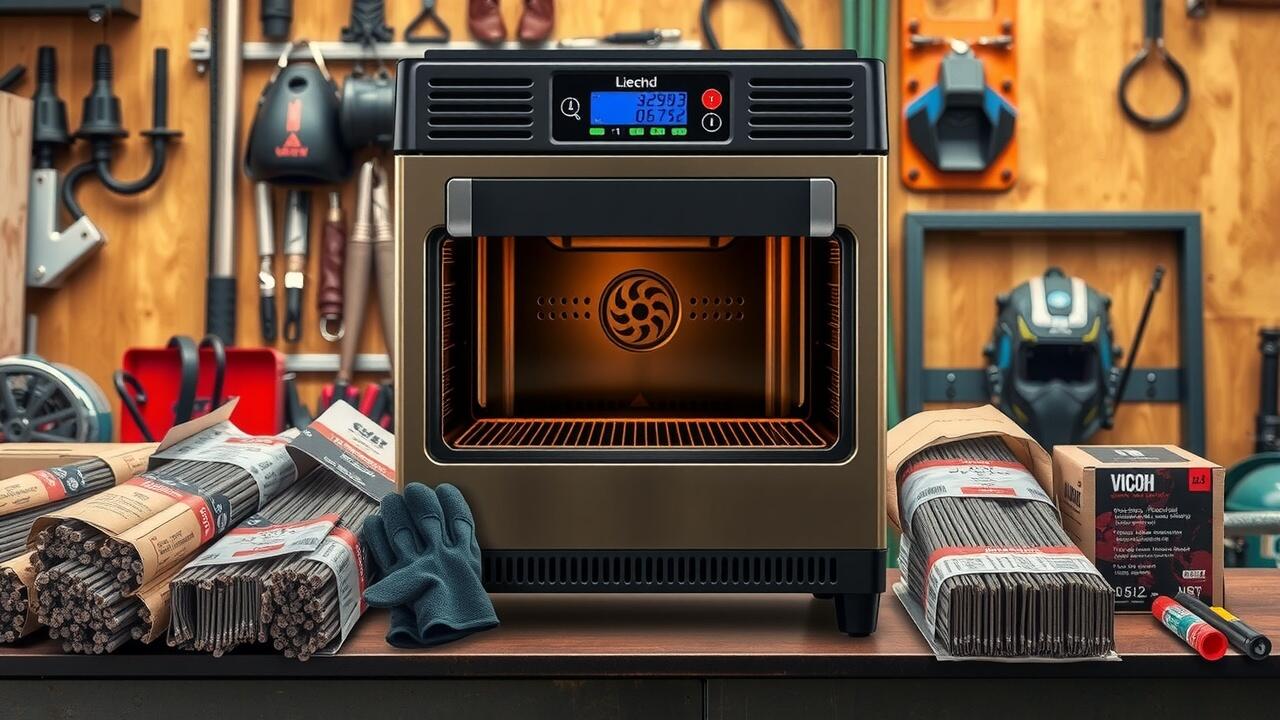
Table Of Contents
Key Takeaways
- Choosing Appropriate Preservation Techniques
- Frequent Errors to Sidestep with Welding Rod Ovens
- Three Approaches for Upkeeping Your Welding Rod Oven
- Importance of Instruction in Humidity Control
- Practical Examples on Moisture Prevention
Selecting the Right Storage Methods
Proper storage methods are crucial for preventing moisture contamination in welding rods. A Gullco welding rod oven can be a game changer here. Designed to maintain optimal temperatures, these ovens ensure that rods stay dry, even in humid environments. Storing rods at a consistent temperature and humidity level reduces the risk of picking up moisture from the air. Industry standards suggest keeping the storage environment below 70% relative humidity for maximum effectiveness. Utilizing a reliable electrode oven is not just beneficial; it is essential for meeting the high-quality demands of any welding project.
In addition to temperature control, organization plays a pivotal role in safeguarding your welding materials. Keeping different types of rods in designated areas prevents cross-contamination and simplifies access during welding tasks. Special attention should be paid to seals and labels on rod containers, as these can indicate moisture exposure. Regular checks can save significant costs, as the American Welding Society states that moisture-laden rods can lead to weld defects, which may increase rework by up to 30%. Prioritizing effective storage methods equips welders not only with reliable materials but also fosters high-quality outcomes on every job site.
How Can Proper Storage Prevent Contamination?
Proper storage of welding rods is crucial in preventing moisture contamination. Using a Gullco welding rod oven ensures that rods are kept at optimal temperatures, significantly reducing the risk of moisture absorption. These ovens maintain a consistent warmth, which is essential to prevent the formation of rust or other contaminants on the electrodes. A controlled environment helps retain the electrode’s integrity, ensuring welding consistency and quality. Many manufacturers recommend that rods are ideally stored at a temperature above 300°F during prolonged periods of non-use to maximize their effectiveness.
Another essential aspect of storage involves monitoring humidity levels in the workspace. Keeping the welding rod ovens in a climate-controlled area helps mitigate the risk associated with fluctuating humidity. Studies show that maintaining relative humidity below 50% is ideal for welding electrode preservation. Regularly inspecting the sealing mechanisms of ovens ensures they are functioning correctly, preventing moisture ingress. By adopting these proactive storage practices, companies can significantly improve their welding outcomes, minimize rework, and reduce overall costs attributed to failures caused by contaminated electrodes.
Common Mistakes to Avoid with Welding Rod Ovens
Many professionals overlook the significance of the temperature settings on welding rod ovens, leading to unnecessary moisture exposure. For instance, a Gullco welding rod oven operates best between 250-300°F. Setting temperatures too low can compromise the integrity of the rods, resulting in weak welds and reduced mechanical properties. Checking the calibrated settings periodically ensures consistency and minimizes the risk of moisture reabsorption, giving you that competitive edge in quality and performance.
Another common mistake is neglecting to monitor the humidity levels in the welding environment. A humid workspace can quickly turn even the best storage solutions into perfect breeding grounds for contamination. Utilizing a Gullco rod oven combined with humidity control measures can dramatically decrease the likelihood of electrode spoilage. Regular monitoring paired with these high-quality ovens serves as a proactive measure, ensuring optimal performance every time you fire up your equipment. Implementing these simple yet effective strategies can lead to significant improvements in welding outcomes.
What Are the Pitfalls That Lead to Moisture Issues?
Moisture ingress can be a serious issue in welding applications, leading to defects and compromising joint integrity. One major pitfall is inadequate sealing in storage environments. When using a Gullco welding rod oven, operators must ensure that the seals are intact and functioning properly. If moisture seeps in during storage, it can adversely affect the electrodes, leading to increased risk of hydrogen-induced cracking and porosity during the welding process. In fact, studies indicate that up to 40% of welding defects stem from improperly stored materials.
Another common oversight is the failure to monitor environmental conditions within the oven. Operators often assume that temperature and humidity levels are optimal without verifying them regularly. For effective moisture control, it’s recommended to maintain the Gullco rod oven at a consistent temperature of around 250°F and humidity levels below 40%. A simple hygrometer can help in tracking these conditions accurately. Implementing a routine check can drastically reduce moisture-related issues and enhance welding efficiency by ensuring that the rods maintain their integrity throughout the welding process.
3 Strategies for Maintaining Your Welding Rod Oven
Maintaining your welding rod oven is crucial for ensuring optimal performance and preventing moisture contamination. One effective strategy is to conduct regular inspections of the heating elements and insulation. Ensuring that the components are functioning effectively helps maintain consistent temperatures inside the Gullco welding rod oven. For example, monitoring the temperature with precision instruments can prevent fluctuations that could allow moisture to enter the system, thereby affecting the quality of the welding rods.
Another essential practice is cleaning the oven and its interior regularly. This prevents the accumulation of contaminants that may attract moisture. A thorough cleaning every few weeks, depending on usage, will ensure that the Gullco rod oven remains in top condition. Additionally, applying a high-temperature sealant to any door or access points can significantly reduce the risk of moisture ingress. By adhering to these strategies, you not only extend the life of your equipment but also ensure that your welding projects maintain adherence to industry standards and practices.
How Can Regular Maintenance Extend Equipment Life?
Regular maintenance significantly enhances the lifespan and efficiency of equipment like the Gullco welding rod oven. When operators perform routine checks, they can quickly identify wear or malfunctioning components before they escalate into major issues. For instance, adhering to a bi-weekly inspection schedule can reduce unexpected downtime by as much as 30%. Keeping the heating elements clean and functional ensures optimal performance, which not only preserves the integrity of the welding rods but also maintains welding quality standards.
Additionally, implementing a proactive maintenance approach can lead to substantial cost savings over time. Experts recommend documenting all maintenance activities, including parts replaced and repairs performed, which not only helps in tracking equipment status but also provides insights for future investments. By investing a little time now, facilities can create a more reliable environment that enhances productivity and safety, ultimately allowing operators to focus on delivering superior welds without the worry of moisture contamination.
The Role of Training in Moisture Management
Training that emphasizes moisture management significantly enhances welding outcomes. Employees who understand the importance of keeping welding rod ovens, like the Gullco welding rod oven, dry and well-maintained can drastically reduce the risk of contamination. Knowledge about the effects of humidity on the electrodes and the best practices for their storage creates a culture of accountability. For instance, companies that offer regular workshops on the operation and maintenance of equipment report a 30% decrease in moisture-related defects over one year.
Incorporating hands-on training and real-life scenarios allows workers to grasp the impact of their actions. For example, demonstrating the correct way to use the Gullco electrode oven shows the direct link between proper techniques and the quality of the weld. Providing access to resources like instructional manuals or video guides can further solidify this knowledge. Investing in employee education not only optimizes the lifespan of welding rod ovens but also fosters a skilled workforce capable of maintaining high standards. This step proves crucial in minimizing moisture-related issues while maximizing productivity and ensuring compliance with industry regulations.
Why Does Employee Knowledge Impact Welding Outcomes?
Employee expertise is fundamental in maintaining the integrity of welds. A trained operator familiar with the features of equipment like the Gullco welding rod oven can swiftly identify the signs of moisture in the rod storage. Knowledgeable personnel can differentiate between acceptable and unacceptable moisture levels based on industry standards such as AWS D1.1, ensuring they adhere to specifications that directly impact the quality of welds. For instance, staff understanding the importance of temperature control in the Gullco electrode oven can prevent potential defects that moisture contamination could cause.
Effective training programs greatly reduce the risk of contamination during operations. For example, employees educated in the nuances of welding rod ovens recognize that routine checks and temperature adjustments are vital for maintaining a dew point that ensures rod integrity. Additionally, documentation of storage conditions and welding parameters enhances accountability and fosters a culture of quality. Statistics indicate that organizations prioritizing training experience a 25% decrease in defects and rework, highlighting the direct correlation between knowledge and welding outcomes. Empowering employees with the right information turns them into skilled advocates for moisture management, creating a ripple effect of improved productivity and quality.
Real-World Case Studies on Moisture Prevention
One notable example demonstrating the effectiveness of proper moisture prevention comes from an automotive manufacturing plant that implemented the Gullco welding rod oven. Before its installation, the facility frequently faced issues with electrode moisture, leading to significant rework and increased production costs. After switching to the Gullco rod oven, which offered advanced temperature control and moisture measurement features, the plant reported a drastic reduction in defects. Within just three months, they noticed an impressive 40% decrease in weld failures, showcasing how the right equipment can transform operational efficiency.
Another compelling case involved a shipyard that standardized its processes around designated storage systems, incorporating a Gullco electrode oven as part of its moisture management strategy. By adhering to industry best practices and the ASME standards for electrode storage, the shipyard maintained optimal conditions for its welding rods. This proactive approach resulted in a remarkable 30% increase in productivity, with the workforce benefiting from fewer interruptions due to moisture-related issues. Such real-world applications serve as a reminder of how investing in proper storage methods can yield significant returns in both quality and efficiency.
FAQS
What is electrode moisture contamination and why is it a concern?
Electrode moisture contamination occurs when welding rods absorb moisture from the environment, which can lead to defects in weld quality, such as porosity and reduced strength. Preventing moisture contamination is crucial for ensuring strong and reliable welds!
How can proper storage of welding rods prevent moisture contamination?
Proper storage involves using welding rod ovens or sealed containers to keep the rods dry and protected from humidity. This helps maintain the integrity of the electrodes and enhances your welding performance!
What common mistakes should I avoid when using welding rod ovens?
Some common mistakes include not regularly checking the oven's temperature, failing to monitor humidity levels, and neglecting to clean the oven. Avoiding these pitfalls ensures that your welding rods stay in top condition!
How can regular maintenance extend the life of my welding rod oven?
Regular maintenance, such as cleaning, calibration, and checking heating elements, ensures that your oven operates efficiently. This not only extends the lifespan of the oven but also maintains optimal performance for your welding projects!
Why is employee training important for moisture management in welding?
Employee training equips your team with the knowledge to understand moisture risks and proper handling techniques for welding rods. Well-informed employees can significantly improve welding outcomes by implementing effective moisture management practices!